
Best Medical Billing Services in USA
One billing decision can change the entire claim. It is possible for a patient to have two distinct billing pathways yet be seated in the same exam chair. However, a medical problem may require a different service through medical insurance, but a typical vision benefit may cover a portion of the encounter. Add eye examinations, refraction, contact lens services, diagnostic testing, glaucoma monitoring, diabetic eye care, and treatment procedures, and a seemingly simple visit can become a complicated revenue event.
Right Billing Solutions provides Optometry Billing Services created to improve your billing workflow. Billing confusion shouldn't accompany you into the examination room.
Eye care revenue can be affected long before an unpaid claim reaches A/R. Incorrect payer routing, incomplete documentation, inappropriate exam-code selection, missed diagnostic charges, refraction billing issues, and authorization requirements can all create unnecessary reimbursement problems. RBS reviews the financial details behind your optometry services so your practice has a stronger process for moving documented care from the exam room to payment.
Comprehensive and intermediate examinations, refractions, diagnostic testing, contact lens services, and condition-specific care each have different reporting considerations. Our specialists review documented services and charges to help your practice identify billable work that may otherwise be missed during the billing process.
The reason for the encounter can determine which insurance pathway should handle the service. RBS reviews patient coverage, diagnoses, service details, and claim information to help distinguish medical eye care from routine vision benefits and reduce avoidable payer confusion.
Coding errors, coverage restrictions, gaps in the documentation, payer modifications, or improper claim routing can all result in a rejected or denied claim. Our team follows payer responses, looks into the real problem, makes the necessary adjustments, and works toward resolution of eligible claims.
When staff members are already handling patients, schedules, optical operations, and everyday practice needs, unpaid optometry claims may go unanswered. To prevent recovered revenue from being missed, RBS keeps an eye on aging accounts, examines payment irregularities, and follows up on overdue sums.
An optometry practice may generate revenue through examinations, refraction, contact lens fitting, diagnostic testing, chronic eye-condition monitoring, and specialized treatments. Each service enters the revenue cycle differently. RBS connects charge capture, coding, claims, payments, and follow-up around the actual services your optometrists provide.
Support appropriate billing for new and existing patient examinations, routine follow-ups, and medically driven eye treatment by carefully documenting and selecting codes.
Manage billing for visual field tests , OCT, retinal imaging, and other diagnostic procedures, taking into account medical necessity, documentation, and payer regulations.
In accordance with the applicable service, coverage, and billing regulations, make sure that refractive services and contact lens-related care are appropriately represented.
Examine underpayments, payer denials, rejected claims, and aging balances to determine what is still recoverable and maintain the flow of unresolved revenue through the cycle.
Optometry revenue is not limited to the examination itself. A complete billing process needs to account for medical and vision benefits, diagnostic testing, refraction, contact lens services, condition-specific care, and other procedures documented during the patient encounter. RBS organizes these services within one revenue cycle; therefore, your team can spend less time sorting through billing exceptions.
Choosing the appropriate exam or E/M pathway depends on the nature of the encounter, patient status, documented services, and payer requirements. The commonly used ophthalmological service codes include 92002, 92004, 92012, and 92014, while refraction is separately represented by 92015.
For optometrists, diagnostic services can be a significant source of income if they are appropriately recorded and medically necessary. Billing processes for glaucoma tests, retinal disorders, diabetic eye care, and other ocular conditions are made easier by RBS.
Contact lens fitting, specialty lens services, follow-up care, and other optometric procedures require attention to the service performed and the payer responsible for reimbursement. RBS reviews these services as part of the wider revenue cycle instead of treating them as isolated charges.
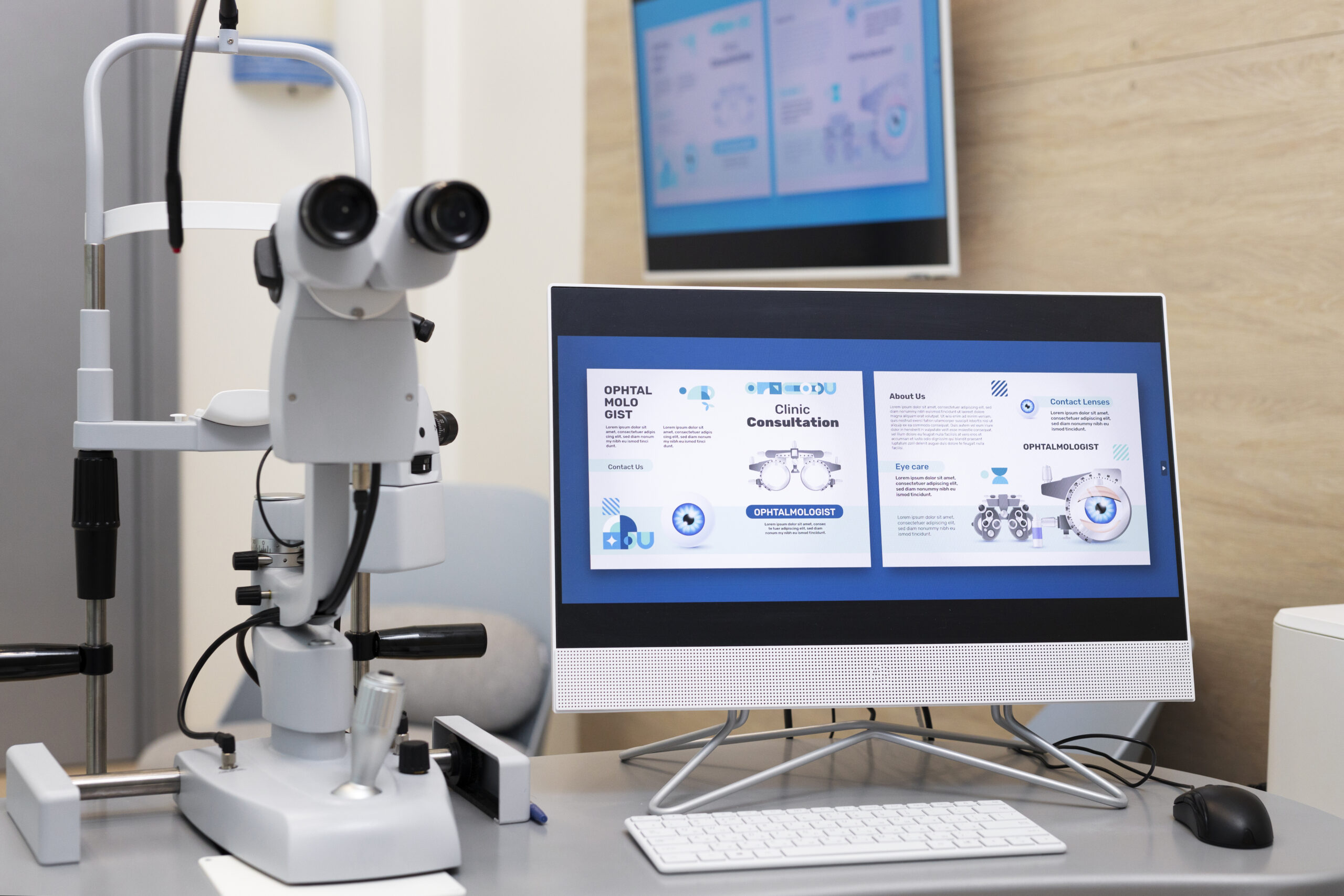
Your practice should have enough room for what matters clinically: examining patients, detecting eye conditions, explaining treatment options, and helping people protect their vision. There is little value in pulling an optometrist away from that work to determine why a claim was rejected, which payer should receive an encounter, or how long an unpaid balance has been sitting in A/R. Right Billing Solutions takes on that administrative workload.
A successful optometry claim begins before submission. Patient coverage, medical versus vision benefits, encounter type, documentation, code selection, diagnostic testing, and payer requirements all influence what happens after the claim leaves your practice. RBS coordinates these stages so billing issues can be addressed at the point where they occur.
Different eye care services may fall under different benefit structures. Our team reviews eligibility, coverage, and payer information before services are billed to help identify potential limitations, exclusions, and authorization requirements.
An eye examination, E/M service, refraction, diagnostic test, or other procedure could all be part of an optometry visit. Our experts examine CPT, ICD-10, and relevant modifiers in addition to comparing reported prices with documented services.
Before claims are transmitted, our team checks for missing information, coding inconsistencies, payer-routing issues, and other details that may trigger a rejection or delay.
Accurate reporting of payments after they are received helps show what the payer actually reimbursed and whether any outstanding balances need more attention. Our staff keeps track of payments and changes and examines account-to-account disparities.
Denials may result from coding, eligibility, medical necessity, documentation, payer edits, or incorrect benefit routing. RBS examines the explanation behind the denial and determines the appropriate next step for eligible claims.
Continued attention is necessary for a claim that has not been paid. Our experts keep an eye on aging balances, rank unresolved claims, evaluate payer answers, and use systematic follow-up to collect unpaid insurance income.
Good eye care requires your attention at the point of service. Your patients need clear answers about their vision, timely treatment for ocular conditions, and confidence that their care is being managed properly. Your staff should not have to choose between helping patients and spending hours untangling payer responses.
Moreover, your optometry practice's financial operations, such as coding review, claim administration, denial resolution, payment reconciliation, and A/R follow-up, are managed by RBS. You stay focused on the folks who have faith in your ability to see things.
Find quick answers about optometry billing, coding, reimbursement, claims, refraction, denials, and revenue cycle management.
Optometry billing involves reporting eye care services, procedures, and diagnostic tests to insurance providers for accurate reimbursement.
Various eye-examination codes include 92002, 92004, 92012, and 92014. Other codes are used for refraction, diagnostic testing, contact lens services, and additional procedures.
Both of these offer full-fledged ophthalmological services. Subject to relevant coding and documentation requirements, 92004 applies to a new patient and 92014 to an existing patient.
Yes. The refractive state determination is represented by CPT 92015, which is different from the usual ophthalmological examination codes. Payment and coverage may differ per payer.
Claims can experience problems due to incorrect payer routing, coding errors, eligibility issues, insufficient documentation, or payer-specific requirements.
Yes. Optometry practices may need to manage both vision plan and medical insurance claims, depending on the reason for the encounter and the services provided.

End-to-end medical billing & Revenue Cycle Management services for healthcare providers across the USA.