
Best Medical Billing Services in USA
Modifiers need to be correct because this type of billing has many layers. Ortho practices manage everything from fractures and joint injuries to arthroscopy, injections, reconstruction, and joint replacement. Your patients remain your top concern, your team remains unburdened, and your revenue remains strong when you outsource orthopedic billing services to Right Billing Solutions. Someone who understands the pace of physician workflows, knows how insurance carriers refund the full amount, and reads op notes like a second language is needed in orthopedics.
You should be thinking about fracture healing, mobility, surgical outcomes, rehabilitation, and the next patient, not wondering why an important claim is still sitting in A/R.
Strong bones, healthy joints, better lives. Sounds mesmerizing, yeah? Behind every successful orthopedic practice is a healthy revenue cycle. RBS connects the clinical details of orthopedic care with the financial side. Additionally, our expert medical billers and coders manage your claim denials effectively to protect your earning potential. So, your physicians can focus more on reducing pain, restoring movement, and helping patients return to their lives.
Fracture treatment, injections, casting, imaging, DME, surgical procedures, and follow-up care each bring different billing considerations. Our specialists review the services documented in the patient record to ensure eligible charges are not overlooked during charge entry or coding.
Joint replacements, reconstructive surgery, trauma procedures, and arthroscopy can all have major reimbursement value. RBS checks procedure documentation, diagnosis coding, authorization details, and supporting data to make sure claims accurately indicate the care given.
A denied orthopedic claim does not always mean the payment is lost. RBS digs into the reason, fixes what can be fixed, and keeps after the payer until your practice gets a fair shot at collecting it.
Global-period regulations sometimes accompany orthopedic surgeries, which may have an impact on the reporting of follow-up appointments and related services. RBS examines global surgical requirements, modifiers, and supporting documentation to ensure that qualifying procedures are not overlooked and to help prevent inappropriate invoicing.
Orthopedic care involves multiple procedures, follow-up services, and billing considerations that can affect reimbursement at every stage. RBS brings clinical documentation, coding, claim submission, and revenue follow-up together so your practice can bill the care you provide with greater consistency.
Pay extra attention to procedural specifics and documentation when billing for fracture therapy, reductions, casting, splinting, and related services.
Provide proper coding, modifiers, and global period review to support claims for arthroscopy, joint replacement, reconstruction, and other surgical operations.
Verify that injectable services and other non-surgical treatments are accurately recorded on claims by carefully reviewing the documentation and coding.
Follow unpaid orthopedic claims, investigate denial reasons, address billing discrepancies, and work aging A/R toward appropriate reimbursement.
Orthopedic billing involves far more than submitting claims for office visits and surgical procedures. A complete orthopedic revenue cycle should account for injury evaluations, fracture care, injections, imaging, arthroscopy, joint replacement, postoperative services, implants, DME, and every eligible charge supported by clinical documentation. RBS brings these services into a single billing workflow, so orthopedic practices can protect reimbursement without adding more administrative work for physicians.
Office evaluations, follow-up visits, fracture assessments, casting, splinting, and other non-surgical services create a steady stream of orthopedic revenue. Proper documentation and code selection help reflect the complexity of the service provided and support appropriate reimbursement.
Surgical care requires close attention to procedure coding, global surgery rules, modifiers, laterality, documentation, and payer requirements. RBS supports billing for major orthopedic procedures and helps connect operative details with the claim submitted for reimbursement.
Joint injections, diagnostic imaging, bracing, durable medical equipment, and other services related to patient care may bring in extra money for orthopedic practices. Every service has unique requirements for authorization, coverage, coding, and documentation.
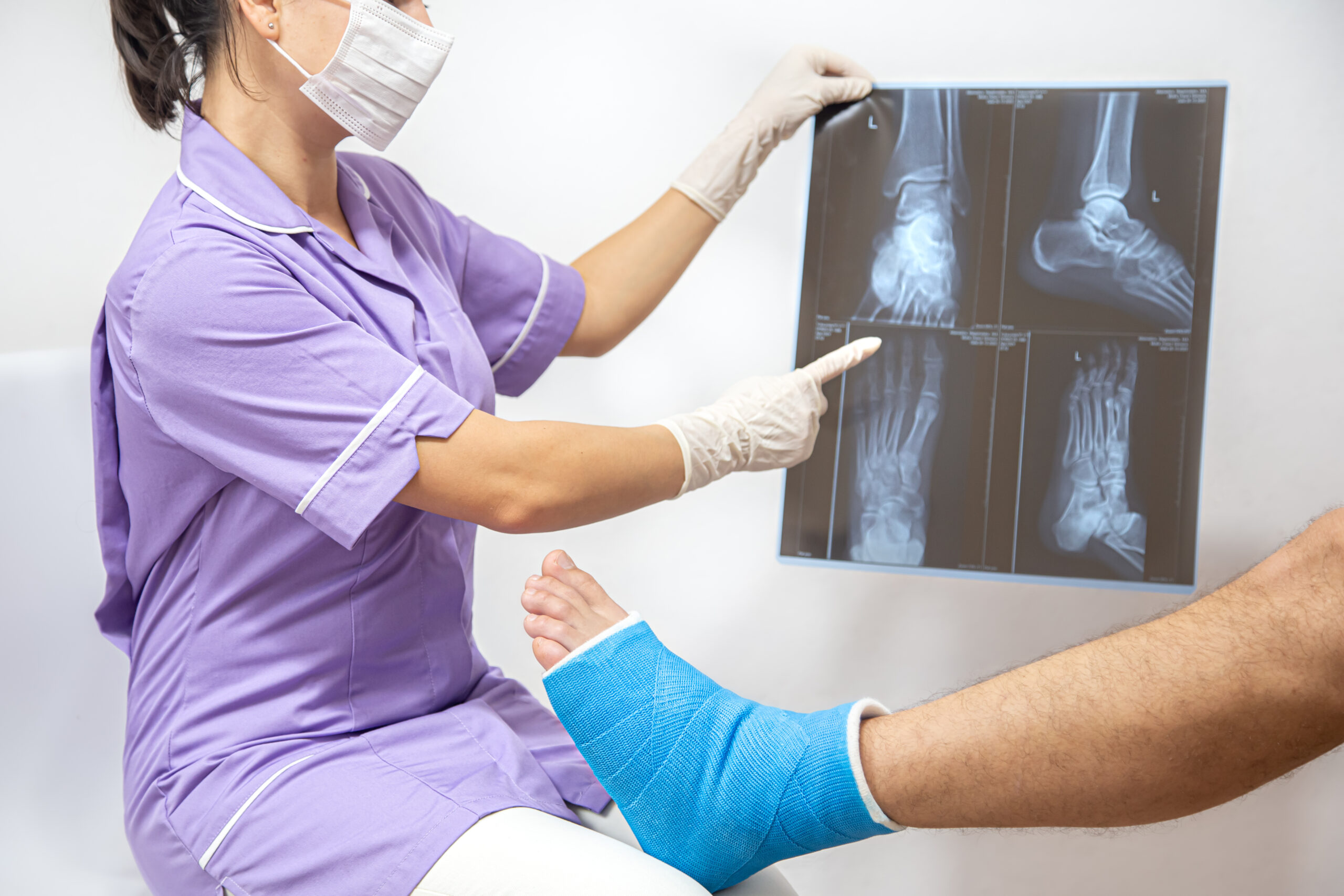
Postoperative care may be impacted by global surgery periods. Unrelated, staged, repeatable, or independently reportable procedures can be distinguished via modifier selection. Our orthopedic billing specialists also track every process, so your clinical staff can give their full attention to patient care, rehabilitation, and recovery instead of chasing billing issues.
The details at every stage of the billing cycle can affect orthopedic reimbursement. Patient coverage, procedure documentation, CPT and ICD-10 coding, laterality, modifiers, global surgery rules, authorization, claim submission, and payment follow-up all have a place in the process.
Coverage is assessed prior to orthopedic services being invoiced. Our staff reviews insurance information and benefits for office visits, treatments, imaging, injections, DME, and scheduled operations in order to detect coverage or authorization difficulties early.
Orthopedic encounters may include E/M services, fracture care, injections, imaging, casting, arthroscopy, joint replacement, and postoperative care. Our specialists review the medical record and reported services to support appropriate CPT, ICD-10, and modifier selection.
Claims are reviewed before submission for coding discrepancies, missing information, authorization issues, and payer-specific requirements. This helps prevent avoidable rejections and gives each orthopedic claim a stronger start in the reimbursement cycle.
Payments, adjustments, and contractual amounts are posted to the appropriate accounts and claims. Our team reviews payer responses to identify payment differences, unexpected balances, and potential underpayments that may need further attention.
Denials can involve modifiers, medical necessity, authorization, coding, global periods, documentation, or payer edits. Our specialists review the actual denial reason, make appropriate corrections, submit appeals when supported, and follow the claim through the payer response.
After the initial filing, unresolved orthopedic claims require further consideration. To prevent recovered revenue from remaining untreated in A/R, our team monitors aging accounts, payer answers, high-value balances, and unresolved claims.
Laterality matters for extremity services, and certain surgeries, imaging, injections, implants, and DME may require authorization or additional documentation. Orthopedic billing necessitates meticulous attention to detail because it can affect the reimbursement for treatment. Your practice won’t need to split professional attention between patient care and payer follow-up because RBS incorporates these statistics into the billing cycle.
Need broader revenue cycle management support? Our team can coordinate billing, coding, denial management, and A/R processes around your existing practice workflow.
Find quick answers about orthopedic billing, coding, reimbursement, claims, surgical procedures, injections, denials, and revenue cycle management.
Medicare generally covers medically necessary when applicable coverage, authorization, and documentation requirements are met.
There is no single CPT code for orthopedic surgery; the appropriate code depends on the specific procedure, body site, technique, and services performed.
Orthopedic injections are billed based on the specific medication or substance, the injection procedure, the anatomical site, and the documentation supporting the service.
The global period is the defined timeframe after certain surgical procedures during which related postoperative services may be included in the surgical payment.
Common orthopedic billing may involve CPT codes for fracture treatment, arthroscopy, joint replacement, injections, casting, imaging, and other musculoskeletal procedures.
Medicare may cover certain medically necessary orthopedic braces and durable medical equipment when coverage and documentation requirements are satisfied.
Orthopedic claims may be denied because of incorrect coding, missing modifiers, insufficient documentation, authorization issues, medical necessity concerns, or payer-specific requirements.
Many medically necessary arthroscopic procedures are covered by insurance, although coverage, authorization, medical necessity, and patient benefits can vary by payer and plan.
Coding turns the doctor’s documentation into the right diagnosis and procedure codes. Billing then uses those codes to send the claim and follow up on payment.

End-to-end medical billing & Revenue Cycle Management services for healthcare providers across the USA.